
10 Fascinating Facts about the History of Silver in the World Economy
Silver, with its shimmering allure and versatile applications, has played a significant role in shaping the trajectory of the global economy throughout history. From ancient civilizations to modern financial markets, the story of silver is a tale woven with intrigue and economic significance. Let’s delve into the annals of time and uncover 10 captivating facts about the history of silver in the world economy:
Ancient Origins: The history of silver can be traced back thousands of years. Ancient civilizations such as Mesopotamia, Egypt, and Greece recognized its value and utilized it for currency, jewelry, and utensils. Silver was among the earliest metals to be mined and traded.
- Spanish Influence: The discovery of vast silver deposits in present-day Mexico and Peru during the 16th century fueled Spain’s dominance in global trade. The influx of silver from the New World contributed to the rise of the Spanish Empire and had a profound impact on the global economy, leading to a period known as the “Silver Age.”
- Silver Standard: Before the adoption of the gold standard, silver served as the primary monetary standard in many countries. The British pound sterling was originally based on the value of silver, and the United States used a bimetallic standard with both gold and silver coins in circulation until the late 19th century.
Silver Rushes: Similar to the gold rushes of the 19th century, silver rushes attracted prospectors and fortune seekers to regions rich in silver deposits. The most famous of these rushes occurred in Nevada, USA, with the discovery of the Comstock Lode in the mid-1800s, which significantly increased global silver supply.
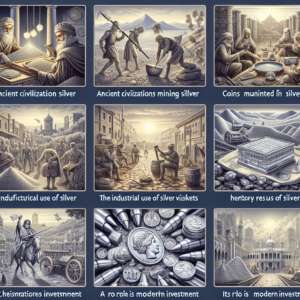
Industrial Revolution: The Industrial Revolution marked a turning point for silver’s role in the world economy. Its conductivity made it indispensable for electrical applications, while its antibacterial properties found use in medical instruments. Silver became a critical component in the manufacturing of photographic film, mirrors, and electronics.
Monetary Devaluation: In the late 19th and early 20th centuries, several countries demonetized silver or moved to a gold standard, leading to a decline in the relative value of silver. The United States enacted the Coinage Act of 1873, known as the “Crime of 1873” by silver proponents, which effectively demonetized silver and favored the gold standard.
Silver Wars: The debate over the monetary role of silver sparked political tensions, particularly in the United States during the late 19th century. Advocates of “free silver” argued for the unlimited coinage of silver to expand the money supply and alleviate economic hardships, while opponents favored the gold standard to maintain currency stability.
20th-Century Dynamics: The 20th century witnessed fluctuations in silver prices and usage patterns. Silver experienced a resurgence during periods of economic uncertainty and geopolitical tensions, such as during the World Wars and the Cold War. Governments stockpiled silver for strategic purposes, further influencing its market dynamics.
Modern Financial Instruments: Silver’s role in the world economy evolved with the advent of modern financial instruments. The establishment of silver exchange-traded funds (ETFs) provided investors with exposure to silver prices without the need for physical ownership, facilitating greater liquidity and price discovery in the silver market.
Contemporary Significance: Today, silver continues to be a vital commodity in various industries, including electronics, solar energy, and healthcare. Its dual nature as both a precious metal and an industrial commodity ensures its enduring relevance in the global economy, with demand influenced by economic trends, technological advancements, and investor sentiment.
In conclusion, the history of silver in the world economy is a saga of economic expansion, political intrigue, and technological innovation. From its ancient origins to its modern-day applications, silver’s enduring allure persists, shaping the dynamics of global trade and finance for millennia to come.
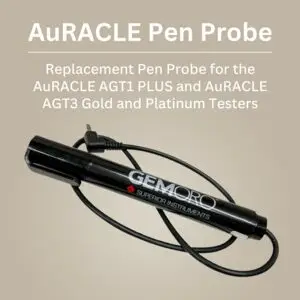
GemOro Auracle Pen Probe
GemOro Auracle Pen Probe | Plug & Play Universal Replacement for AGT1 AGT3 Digital Gold & Platinum Testers | Precision Tool with Expert Professional Reading

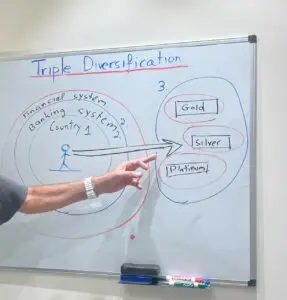
Triple Diversification: Expanding Your Investment Strategy Beyond Borders and Banking
Triple Diversification: Expanding Your Investment Strategy Beyond Borders and Banking In the realm of physical investments, diversifying one’s portfolio is often associated with the acquisition
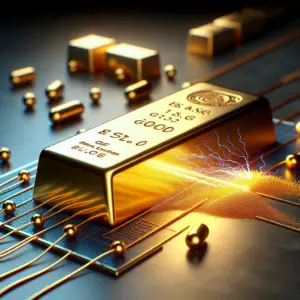
Electrical Conductivity of Precious Metals
SummaryThis article explores the electrical conductivity of precious metals and their alloys, focusing on its measurement in Siemens per meter and variations across different materials.